


Giá ống inox phi 8
Introduction to Stainless Steel Pipes
Stainless steel pipes have become a cornerstone in various industries due to their unmatched durability, resistance to corrosion, and versatility. These pipes are a preferred choice for many applications, ranging from industrial to domestic, due to their ability to withstand extreme conditions without compromising on performance. The focus of this article is on a specific type of stainless steel pipe: the phi 8. We will delve into its unique characteristics, applications, and pricing factors to provide a comprehensive understanding. Whether you're a contractor, engineer, or simply someone interested in the material, this guide will offer valuable insights into the world of stainless steel pipes, particularly the phi 8 variant.
Definition and Key Characteristics
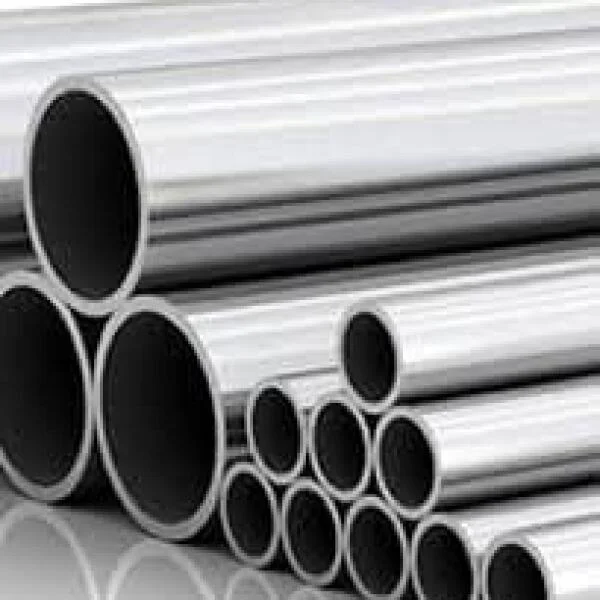
Stainless steel pipes are hollow cylindrical tubes made from stainless steel, a material known for its resistance to rust and corrosion. The "phi" symbol often represents the diameter of the pipe in millimeters. Thus, a phi 8 pipe has a diameter of 8mm. Key characteristics of stainless steel pipes include high tensile strength, excellent heat resistance, and a smooth surface finish that reduces friction. These attributes make them ideal for transporting fluids and gases in both high-pressure and high-temperature environments.
Advantages Over Other Materials
Compared to other materials such as PVC or copper, stainless steel pipes offer superior longevity and reliability. They are not susceptible to cracking or warping under extreme temperatures, unlike PVC. Additionally, they do not leach harmful chemicals into the transported fluids, a concern with some plastic pipes. Their resistance to corrosion also means they require less maintenance over their lifespan, making them a cost-effective choice in the long run.
Durability and Longevity of Stainless Steel
The durability of stainless steel is one of its most celebrated features. It can withstand harsh environmental conditions and chemical exposure without degrading. This longevity translates to fewer replacements and repairs, ensuring a stable and reliable infrastructure. The material's ability to maintain structural integrity over decades makes it a preferred choice for critical applications, such as in the construction of buildings, bridges, and pipelines.
Industries that Heavily Rely on Stainless Steel Pipes
Several industries rely heavily on stainless steel pipes, including the oil and gas sector, chemical processing, water treatment, and food and beverage production. In the oil and gas industry, these pipes are used for drilling and transporting crude oil due to their ability to withstand high pressures and corrosive environments. In chemical processing plants, they are essential for handling aggressive chemicals safely. The food and beverage industry uses stainless steel pipes for their hygienic properties, ensuring that products remain uncontaminated during production and transport.
Understanding Stainless Steel Pipe Phi 8
The phi 8 stainless steel pipe is a specific type of pipe with unique technical specifications and applications. Understanding these aspects is crucial for selecting the right product for your needs.
Technical Specifications and Compliance with Industry Standards
The phi 8 pipe is typically manufactured to meet stringent industry standards, ensuring quality and reliability. These standards include specifications for dimensions, material composition, and mechanical properties. Compliance with standards such as ASTM, ANSI, and ISO is essential for ensuring that the pipes perform as expected in their intended applications. Manufacturers often provide certification to guarantee that their products meet these requirements.
Unique Features and Specific Applications for Pipe Phi 8
One of the unique features of the phi 8 pipe is its small diameter, which makes it suitable for applications where space is limited. It is often used in precision instruments, medical devices, and small-scale plumbing systems. Its ability to handle high pressures despite its size makes it ideal for use in hydraulic systems and pneumatic applications. The phi 8 pipe's corrosion resistance ensures that it can be used in environments where exposure to moisture and chemicals is common.
Recent Innovations and Market Trends Related to Pipe Phi 8
Recent innovations in the production of stainless steel pipes have focused on enhancing their strength and reducing their weight. Advances in metallurgy have led to the development of new stainless steel alloys that offer improved performance. Market trends indicate a growing demand for smaller diameter pipes, such as the phi 8, driven by the miniaturization of equipment and the need for more efficient systems. Eco-friendly production methods and the recycling of stainless steel are also gaining traction, aligning with global sustainability goals.
Comparative Analysis with Other Pipe Sizes
When comparing the phi 8 pipe with other sizes, several factors come into play, including flow capacity, pressure rating, and application suitability. Larger pipes can handle greater volumes of fluid, making them suitable for main supply lines, while smaller pipes like the phi 8 are better suited for distribution within systems. The choice of pipe size depends on the specific requirements of the application, such as the type of fluid being transported and the operating conditions.
Price Determinants of Stainless Steel Pipe Phi 8
The price of stainless steel pipes, including the phi 8 variant, is influenced by several factors. Understanding these determinants can help buyers make informed purchasing decisions.
Material Composition and Quality Grades
The composition of the stainless steel and the quality grade significantly impact the price of the pipes. Higher quality grades with superior corrosion resistance and mechanical properties are more expensive. Common grades used for phi 8 pipes include 304 and 316 stainless steel, with 316 offering better resistance to chlorides and corrosive environments. The choice of grade affects both the cost and the performance of the pipe in specific applications.
Market Demand and Supply Chain Influences
Market demand for stainless steel pipes fluctuates based on economic conditions and industry-specific needs. High demand in sectors like construction and manufacturing can drive up prices. Additionally, supply chain factors such as the availability of raw materials, production capacity, and transportation logistics play a role in pricing. Disruptions in the supply chain, such as those caused by natural disasters or geopolitical tensions, can lead to price volatility.
Impact of Production Costs and Transportation Expenses
Production costs, including labor, energy, and raw materials, directly affect the pricing of stainless steel pipes. Transportation expenses, especially for imported products, add to the overall cost. Efficient production processes and strategic sourcing of materials can help manufacturers control costs and offer competitive pricing to customers.
Effects of Global Economic Trends and Currency Fluctuations
Global economic trends and currency fluctuations have a significant impact on the pricing of stainless steel pipes. A strong economy typically boosts demand, leading to higher prices. Conversely, economic downturns can reduce demand and lower prices. Currency fluctuations affect the cost of imports and exports, influencing the final price for consumers. Buyers should consider these factors when planning purchases, especially for large-scale projects.
Seasonal Variations and Pricing Volatility
Seasonal variations can also influence the price of stainless steel pipes. For example, construction activity often increases in warmer months, leading to higher demand and prices. Manufacturers may adjust production schedules to align with seasonal demand patterns, affecting availability and pricing. Buyers should be aware of these trends to optimize their purchasing strategies and secure the best deals.
Domestic vs. Imported Stainless Steel Pipes: A Comparative Study
Choosing between domestic and imported stainless steel pipes involves weighing the benefits and challenges of each option. This section explores the key considerations for making an informed decision.
Benefits and Challenges of Local Sourcing
Local sourcing of stainless steel pipes offers several benefits, including shorter lead times, reduced transportation costs, and support for the local economy. Domestic suppliers are often more responsive to customer needs and can provide customized solutions. However, local production may be limited by capacity and availability of specific grades or sizes, which can pose challenges for certain projects.
Cost and Quality Considerations of Imported Products
Imported stainless steel pipes may offer cost advantages due to lower production costs in certain countries. However, quality can vary significantly between suppliers, making it essential to verify certifications and inspect samples before purchasing. Importing pipes also involves additional considerations such as tariffs, shipping costs, and potential delays in delivery.
Understanding Compliance with Regional Regulatory Standards
Compliance with regional regulatory standards is crucial when sourcing stainless steel pipes. Domestic products are typically designed to meet local standards, while imported products must be verified for compliance. Buyers should ensure that all products meet the necessary certifications and specifications to avoid legal and operational issues.
Environmental Impact Assessment of Sourcing Choices
The environmental impact of sourcing decisions is becoming increasingly important. Local sourcing may offer a smaller carbon footprint due to reduced transportation distances. However, the environmental practices of the supplier, such as energy efficiency and waste management, also play a role. Buyers should consider the sustainability of their sourcing choices and prioritize suppliers with strong environmental credentials.
Guide to Purchasing Stainless Steel Pipe Phi 8
This guide provides practical advice for purchasing stainless steel pipe phi 8, covering key considerations and strategies to ensure a successful procurement process.
Choosing Between Local Distributors and Online Retailers
When purchasing stainless steel pipes, buyers can choose between local distributors and online retailers. Local distributors offer the advantage of immediate availability and the opportunity to inspect products before purchase. They may also provide expert advice and support. Online retailers, on the other hand, offer convenience and a broader selection of products. Buyers should compare prices, shipping options, and return policies to determine the best source for their needs.
Quality Assessment Techniques and Ensuring Value for Money
Ensuring the quality of stainless steel pipes is essential for achieving value for money. Buyers should request product specifications, certifications, and test reports from suppliers. Inspecting samples for surface finish, dimensional accuracy, and weld quality can help verify the product's quality. Establishing clear quality criteria and conducting thorough evaluations can prevent costly issues down the line.
Key Considerations for Bulk Purchases
Bulk purchases of stainless steel pipes require careful planning to optimize costs and logistics. Buyers should negotiate volume discounts and consider storage and handling requirements. Coordinating delivery schedules with project timelines can minimize disruptions and ensure seamless operations. Establishing strong relationships with suppliers can also lead to better terms and support for future purchases.
Risk Management and Mitigation Strategies During Procurement
Procurement of stainless steel pipes involves various risks, including supply chain disruptions, quality issues, and price fluctuations. Implementing risk management strategies, such as diversifying suppliers and establishing contingency plans, can mitigate these risks. Regular communication with suppliers and monitoring market trends can help buyers stay informed and make proactive decisions.
Negotiation Tips for Securing the Best Deals
Effective negotiation is key to securing the best deals on stainless steel pipes. Buyers should research market prices and supplier offerings to establish a strong negotiating position. Building rapport with suppliers and demonstrating long-term potential can lead to favorable terms. Flexibility in order quantities and delivery schedules can also provide leverage during negotiations.
Conclusion and Recommendations
In conclusion, stainless steel pipe phi 8 offers a versatile and reliable solution for various applications. Its durability, resistance to corrosion, and compliance with industry standards make it a valuable choice for many industries. By understanding the factors that influence pricing and sourcing options, buyers can make informed decisions that align with their needs and budgets. Looking ahead, the demand for stainless steel pipes is expected to grow, driven by advancements in technology and sustainability initiatives. Buyers should stay informed about market trends and continue to prioritize quality and environmental considerations in their sourcing strategies.



Related Articles
Giá ống inox phi 60
Chào mừng bạn đến với bài viết toàn diện về giá ống inox phi 60 , một trong những sản phẩm không thể ...
Giá ống inox phi 42
Giá ống inox phi 42 Trong ngành công nghiệp xây dựng và sản xuất, ống inox phi 42mm đã trở thành một ...

Giá ống inox phi 32
Giá ống inox phi 32 Trong thế giới công nghiệp hiện đại, ống inox phi 32 đã trở thành một phần không ...
Giá ống inox phi 90
Giá ống inox phi 90 Ống inox phi 90mm không chỉ là một sản phẩm phổ biến trong ngành công nghiệp mà ...
Giá ống inox tròn
Giá ống inox tròn Ống inox tròn là một phần không thể thiếu trong nhiều ngành công nghiệp hiện đại. ...
Giá ống thép inox 304
Giá ống thép inox 304 Inox 304, một trong những loại thép không gỉ phổ biến nhất trên thế giới, được ...